



History of international transportation in the world
The history of international transportation is a long and eventful journey that has spanned from the dawn of human history to the present day. As humanity has always sought increased connectivity with other parts of the world, the development and evolution of international transportation systems have been of significant importance. From ancient maritime navigation and caravan routes in some dry lands to the present era with advancements in technologies and diverse transportation networks, the history of international transportation has showcased wealth and diversity. This historical journey has been a witness to the transfer and exchange of cultures, trade, and international communication, symbolizing human development and interaction over a broad span of time.
History of Transportation in Ancient Times:
The history of transportation in ancient times reflects the early development and evolution of transportation methods and how people communicated. In ancient times, transportation involved the movement of humans and animals as the primary means of conveyance, and eventually, with the development of transportation tools such as horses and agriculture, longer and more efficient journeys became possible.
During ancient times, people used animals as the primary means of transportation. Horses and oxen played a significant role in this regard. The horse, as one of the first animals trained for riding, was used as a mode of transportation and in warfare. Oxen were employed as working animals for agriculture and cargo transport.
History of Transportation Before Christ:
The history of transportation before the birth of Christ is a fascinating tale of the early evolution of transportation methods and communications in ancient societies. From ancient footpaths to the commencement of adventurous journeys across the world, the transformations that began with pedestrian movement and the use of animals as a means of transportation quickly evolved into diverse and more complex modes of travel, trade, and communication.
1. Walking and Animal Movement:
In ancient times, walking was one of the most common methods of transportation for humans. Additionally, animals such as cows, horses, camels, and donkeys played a significant role in transporting goods and individuals.
2. Maritime Journeys:
Maritime journeys with boats and ships have been utilized since ancient times. These journeys were typically conducted on rivers, seas, and oceans for trade, exploration, and cultural exchange.
3. Roads and Caravans:
The construction of roads and the use of caravans in ancient times signify the development of land transportation. Caravans, consisting of groups of merchants and travelers with pack animals, traveled to distant regions for trade.
4. Railroads:
Railroads were also used in some ancient regions to enhance the speed and efficiency of transportation. The first railroads were constructed in the Roman Empire and China.
5. Air Travel:
However, air travel did not exist in ancient times, and aerial facilities became more widespread in later periods.
History of Transportation After Christ Until the Industrial Revolution:
The history of transportation after Christ until the Industrial Revolution indicates significant transformations in transportation methods and their impact on the economic, social, and cultural aspects of societies. This period includes various developments such as the construction of roads, the establishment of railways, the use of transportation tools, and ultimately, the emergence of air transportation.
1. Roads and Bridges:
In the ancient Roman period, road construction gained prominence. Roman roads were recognized as an effective road system for communication and transportation. Additionally, the construction of bridges and tunnels significantly improved land movement and transportation.
2. Railways:
During the medieval and ancient periods, the Chinese utilized railways for transporting information and passengers. In Europe, the construction of railways became prominent during the medieval era and expanded until the late ancient period.
3. Water Transportation:
Maritime journeys with ships and boats were crucial for efficiently transporting goods and individuals across seas and oceans. These journeys promoted international trade and facilitated cultural exchange between different continents.
4. Use of Transportation Tools:
Transportation tools such as caravans, horses, and oxen were extensively used as primary means of transporting goods and passengers across vast lands.
5. Invention of Air Transportation:
In the 18th century, with the invention of the Montgolfier brothers and later airplanes, air transportation became more widespread. These inventions led to faster and longer-distance travel and transportation.
The transformations in transportation during this period reflect the continuous human need for improving transportation means to enhance trade, cultural exchange, and societal communication. These changes played a crucial role in establishing global societies and developing the global economy.
History of Transportation from the Industrial Revolution to the Contemporary Era:
The history of transportation from the Industrial Revolution to the contemporary era witnesses significant transformations that have profoundly impacted various aspects of human life and societal development. This period, marked by the advent of powerful machinery, innovations in transportation, and the utilization of energy from natural resources, has drastically altered lifestyles and social communications.
1. Industrial Revolution:
The introduction of powerful machinery and the establishment of automated production lines during the 19th century accelerated both transportation and production. This led to increased industrial production, urban development, and a growing demand for efficient transportation.
2. Railways and Automobiles:
The creation of railway networks in the 19th century and the development of automobiles in the 20th century improved land transportation. These changes resulted in faster and more efficient movement of people and goods.
3. Maritime and Air Transportation:
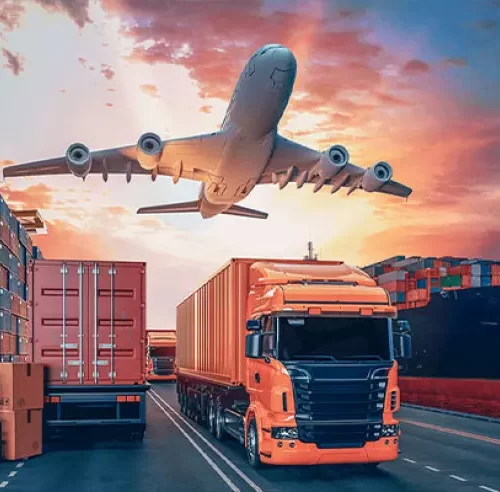
The expansion of maritime transportation through the construction of larger ships and advancements in air transportation with the invention of airplanes facilitated international communication and global trade.
4. Oil and Transportation:
The discovery of oil as a vast energy source in the 20th century led to the development of oil-fueled transportation means and the proliferation of internal combustion engines.
5. Public Transportation:
The development of public transportation systems such as buses, metros, and trains contributed to improved urban communications and efficient movement of people within cities.
6. Communications Technology:
Advances in communications technology, including the internet and mobile devices, significantly accelerated the experience of transportation and communication.
7. Sustainable Transportation:
Increasing awareness of environmental issues and support for sustainable transportation led to the development of public transport systems based on renewable energy and a shift toward less polluting transportation methods in the contemporary world.
Types of Transportation
History of Land Transportation:
The history of land transportation is a key indicator of technological and social developments throughout human history. This field has witnessed significant changes from the use of human and animal power to modern mechanized vehicles. Below is an explanation of the history of land transportation:
1. Use of Humans and Animals:
In ancient times, human and animal movement, such as oxen, horses, camels, and donkeys, served as the primary means of transportation. Transportation tools, including caravans and horses for the movement of goods and people, held great importance.
2. Roads and Highways:
With the expansion of empires and increased trade, the need for roads and highways became apparent. In ancient Rome, the Roman road network was among the most significant developments in this regard.
3. Railways:
In the 19th century, with the onset of the Industrial Revolution, railway systems and trains emerged as an effective and rapid land transportation method. This mode of transportation led to increased trade and urban and interurban communications.
4. Motorized Transport Vehicles:
With the invention of internal combustion engines in the 20th century, automobiles began to proliferate as a means of personal and cargo transportation. This invention had profound effects on travel and traffic.
5. Smart and Self-Driving Technologies:
In recent decades, significant advances in smart and self-driving vehicle technologies have emerged. Smart vehicles, utilizing navigation systems and sensors, have enhanced traffic management, safety, and efficiency.
The history of land transportation demonstrates the continuous human need for improving transportation means and its effects on various aspects of life. From animals and carts to modern vehicles, land transportation has become a fundamental pillar of the economy and modern life.
History of Rail Transportation:
The history of rail transportation signifies significant developments in the field of transportation that began with the introduction of railways and quickly transformed into one of the most important and widely-used modes of transportation in the world. Below are details about the history of rail transportation:
1. Pre-Railways:
Before the advent of railways, land transportation mostly relied on human and animal power, utilizing carts, caravans, and roads. These methods had limitations such as speed and limited capacity.
2. Emergence of Railways:
– 16th-17th centuries: The use of rails for transporting minerals and goods in some parts of Europe began.
– 18th century: The idea of creating railways and using rail transportation gained traction in Europe. Practical use of railways commenced in the following decades.
3. First Railway Lines:
– 1804: The first railway line for transporting minerals, known as “Wagonway,” was established in England.
– 1830: Operational railway lines opened in England and the United States for transporting goods and passengers.
4. Global Expansion of Railways:
– 19th century: The development of railway systems in Europe, America, Asia, and other continents. These advancements rapidly changed transportation and had profound effects on the economy and various aspects of society.
5. Facing Challenges:
20th century: With the development of personal and air transportation, railways faced widespread competition. However, technical improvements and innovations in railway maintenance and development persisted.
6. Railways in the Modern Era:
21st century: Railways continue to function as an efficient and sustainable transportation system. High-Speed Rail projects and modern innovations in railway technology contribute to the stability and improvement of this transportation system.
Air Transportation:
Air transportation is one of the most crucial and effective modes of transportation globally, and its history began in the 20th century due to technological advancements and the development of aerial vehicles. Throughout history, this industry has evolved into a vital and essential part of global transportation with the progress of airplanes and related technologies.
Below is a division of the history of air transportation into several key decades:
1. Early 20th Century:
– Wright Brothers’ Aviation Advancement (1903): In 1903, the Wright Brothers introduced their airplane, marking a new beginning for air transportation.
2. 1920s:
– Advancements in Aircraft: The 1920s saw developments and advancements in aircraft, focusing on increasing their speed and range. These improvements significantly impacted the capabilities of air transportation.
3. 1930s:
– Growth of the Aviation Industry: The aviation industry rapidly grew, leading to the establishment of major companies such as Boeing and Douglas. Aircraft capabilities in terms of cargo capacity and extended distances increased through new technologies.
4. World War II (1939-1945):
– Military Transportation Development: World War II accelerated the rapid development of aviation technologies. Aircraft were extensively used for military transport, global currency and cargo transfers on a massive scale.
5. Post-World War II:
– Commerce and Air Transportation: After the war, air transportation gained increased significance as a commercial mode for both passengers and cargo. Commercial airline companies emerged, making air transportation services accessible to the general public.
6. 1960s and Beyond:
– Global Expansion of Air Transportation: In the 1960s, with the development of new and modern airplanes, enhanced safety measures, and improved services, air transportation transformed into a global industry. The number of flights and airline networks expanded.

