


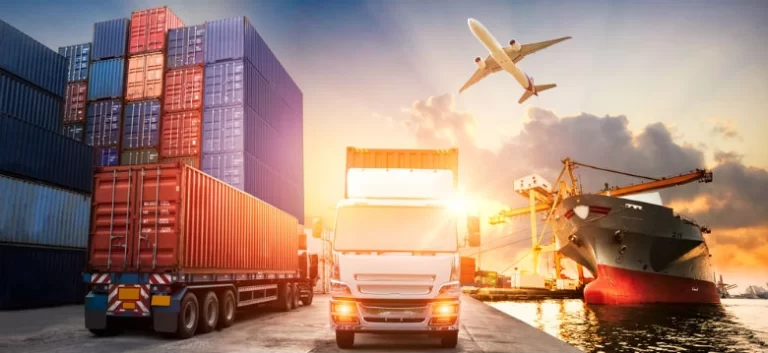
The Importance of Transportation in the Development of Industry and the National Economy
Transportation serves as an intermediary between agricultural, industrial, commercial, and service activities at the national and international levels. Therefore, the Importance of transportation in the development of industry and the country’s economy has a significant impact, and we will further delve into this matter.
Without an efficient and reliable transportation network, the development of industry and the country’s economy is severely limited, and the possibility of overall growth and development does not exist. Currently, considering the trends in global economic and trade growth, transportation systems play a crucial Importance in optimizing costs, travel time, speed of movement, safety, and the level of services provided. The presence of a reliable transportation network is essential for industry and economic development. Without it, the overall growth and progress of the country will be significantly limited.

Industrial Development:
Wide and efficient transportation systems contribute to industrial development and job creation. This factor leads to increased production and economic growth. In fact, industrial development and transportation systems are interdependent, and any industrial development requires an effective and reliable transportation system.
Facilitating Trade:
An effective and reliable transportation system promotes increased trade and facilitates commerce. With a strong transportation system in place, the rapid and secure transfer of goods and services becomes possible, thus facilitating trade. This factor enhances commercial exchanges and assists businesses in maximizing economic benefits from domestic and international trade opportunities.
Improving Quality of Life:
An effective and reliable transportation system plays a crucial Importance in improving people’s quality of life. With a proper transportation system in place, individuals can easily reach their destinations, access various products and services, and have convenient access to different locations. This factor enhances well-being and improves living conditions, benefiting both rural and urban residents.
Increasing Exports:
An effective and reliable transportation system plays a crucial Importance in the export of domestically produced goods. With a robust transportation system in place, it becomes possible to swiftly and securely send goods to both domestic and international destinations. As a result, this factor leads to increased exports of domestically produced goods, consequently bolstering the country’s foreign income. Moreover, by enhancing transportation capabilities to international destinations, the costs of shipping goods to other countries and regions are reduced. As a result, the competitiveness of domestically produced goods in the global market experiences an upsurge.
Inappropriate transportation can have significant negative impacts on the development of industries and the economy of a country. Specifically, the following aspects can be highlighted:
Decreased Competitiveness:
Inappropriate transportation leads to decreased competitiveness of businesses. This factor results in increased production costs and reduced product quality, which ultimately leads to decreased demand and income for companies.
Decreased Export Capability:
If transportation is carried out in an inappropriate manner, it can lead to a decrease in the export capability of goods and services in the country. This factor results in a reduction in the country’s foreign income and hinders the improvement of people’s conditions.
Delayed Delivery of Goods:
If transportation is carried out in an inappropriate manner, it is possible that goods may not be delivered on time, leading to delays in production and product delivery. This delay can result in reduced demand for products and, consequently, a decrease in the income of companies. Furthermore, it can adversely affect the growth of the transportation industry and exports.
Increased Production Costs:
The increase in transportation costs and costs associated with delayed delivery of goods can lead to a decrease in profitability for businesses. This issue can pose risks for businesses, including reduced competitiveness, increased product prices, and decreased market demand. Additionally, increased production costs can result in reduced income and increased debt for companies.
Conclusion:
With the increasing demand for various types of goods, the importance of transportation systems becomes more pronounced. Different modes of transportation, including road, air, and sea, depend on the industry and the economy.
To study(Strategies for Reducing Shipping and Freight Costs)the article, click on the link.

